When federal prosecutors unraveled Russell Bufalino's mob empire in a 1974 racketeering trial, one detail surfaced almost in passing: the garment factory run by Charles P. LaNovara, an Auburn, New York businessman was a front for organized crime. LaNovara had spent four decades navigating the narrow space between respectability and criminality — a confectionery owner's son, a convicted thief, a gas station proprietor, a counterfeiter who appealed his case to the Supreme Court, and finally the frontman for a mob-controlled dress company. The Portable Village is the story of how he got there, and of the world that made him possible.
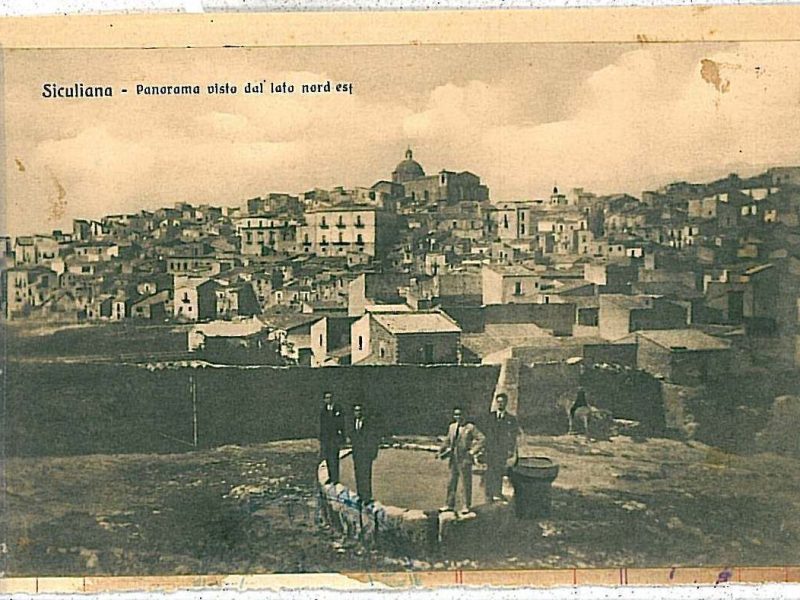
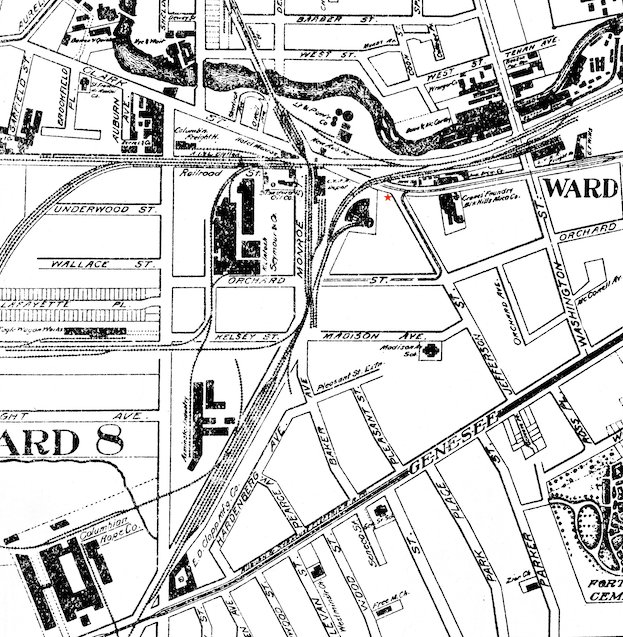
But Charles's story begins not in Auburn, and not with crime. It begins on a Sicilian hillside. In 1873, his father Vincenzo was baptized in Siculiana, a village of six thousand souls in the province of Agrigento, where a handful of interlocking family clans — the Vellas, the Gentiles, the Cibellas, the Indelicatos — had rotated through one another's births, marriages, and deaths for generations. When the sulfur mines failed, the vineyards died, and the state's promises turned to heavy taxes and conscription, those families began to move. They moved together. The clan architecture of Siculiana — its webs of obligation, kinship, and omertà — didn't dissolve in transit. It reconstituted itself, street by street, in Ward 8 of Auburn, New York, where the same surnames that fill the Siculiana parish registers of 1897 reappear in the Auburn city directories of 1920.
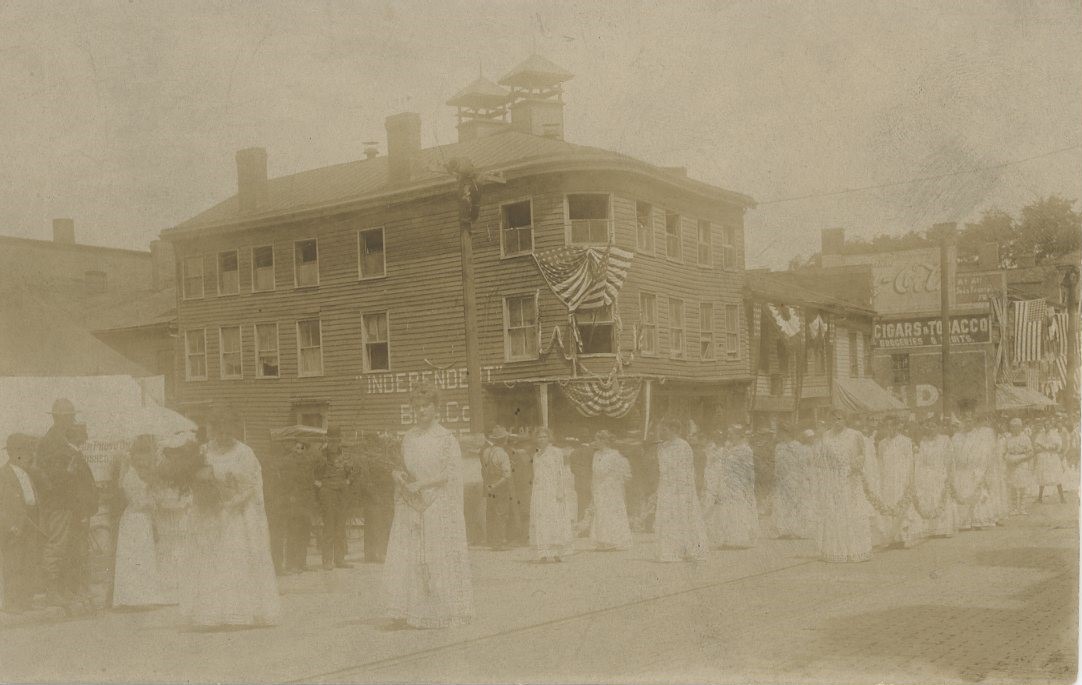
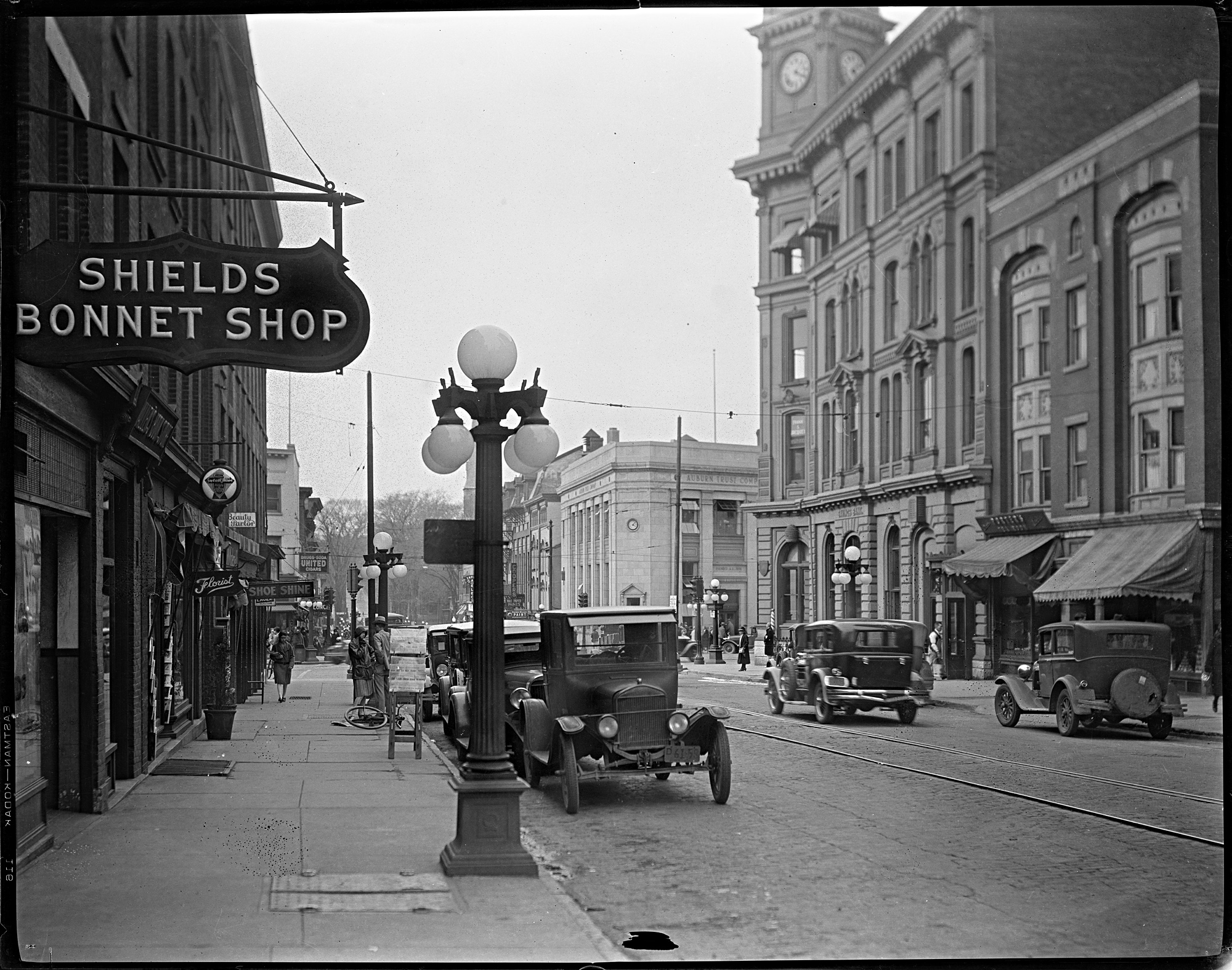
Vincenzo arrived at Ellis Island on April 2, 1903, with twenty dollars in his pocket. His wife Onofria followed two years later, having buried three children in Siculiana — two of them in the same terrible summer of 1904. By 1908, the family had settled in Wilmington, Delaware, where their son Pasquale - later Charles - was born; by 1918, they had moved to Auburn, where Vincenzo ran a confectionery on Genesee Street and Charles grew up in the dense, self-contained world of Ward 8's Italian community. He married into it too: Carmel Calarco, daughter of a Ward 8 shopkeeper and community anchor, became his wife in 1926. She would outlive him by nearly thirty years, run a dressmaking shop alone through a decade of his federal imprisonment, and die in 1999 without ever having spoken publicly about Lu-Char Industries or the men who owned it.
Drawing on Sicilian parish records going back to 1821, federal trial transcripts, city directories, ship manifests, news clippings, Cayuga County court archives, and family interviews, The Portable Village traces Charles LaNovara's trajectory from the immigrant neighborhood of his childhood to his role in the Bufalino crime family's upstate New York operations — and asks how a Boy Scout from Ward 8 ends up with two guns in a burlap sack and a mob-owned factory on Washington Street. The answer, it turns out, was baked into the village long before anyone boarded a ship.